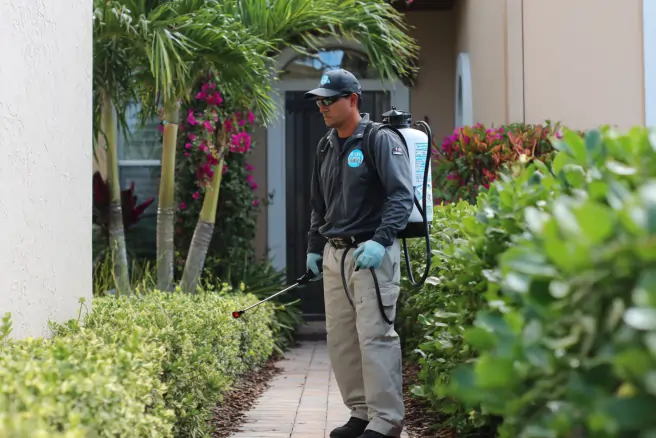
Both approaches have their merits and drawbacks, and determining the best course of action depends on several factors, including the severity of the infestation, budget considerations, and long-term effectiveness.
Professional Pest Control Services
Professional pest control services involve hiring trained technicians equipped with specialized tools and products to eliminate pests.
Advantages:
– Expert Knowledge:Professionals are trained in pest identification and control techniques. They can tailor treatments based on the specific type of pest and infestation level.
– Comprehensive Solutions:Professionals often provide a combination of treatments, such as chemical applications, traps, baits, and preventative measures.
– Long-Term Effectiveness:Many services include follow-up visits to ensure the problem is fully resolved.
– Safety Assurance:Licensed professionals are familiar with safe pesticide usage and can minimize risks to humans and pets.
Disadvantages:
– Costly Services:Depending on the extent of the problem, professional treatments can be expensive.
– Scheduling Constraints:It may take time to book an appointment that fits your schedule.
– Limited Flexibility:Professionals may require access to parts of your home during inconvenient times or request temporary relocation during treatment for safety reasons.
DIY Pest Control Methods
DIY methods typically involve using store-bought pesticides, traps, or natural remedies to address pest issues independently.
Advantages:
– Cost Savings:DIY solutions are often much cheaper than hiring professionals.
– Immediate Action:
– Control Over Products Used:Homeowners can select eco-friendly or non-toxic options if desired.
Disadvantages:
– Limited Knowledge Base:Identifying pests accurately and choosing the right treatment can be challenging without training or experience.Risk of Misapplication:Misusing pesticides or traps could pose safety hazards or cause ineffective results.Temporary Fixes Only:DIY methods may not address underlying causes of infestations, leading to recurring problems.
Key Factors for Decision-Making
| Factor | Professional Pest Control | DIY Methods |
| Severity of Infestation | Effective for large-scale infestations | Suitable for minor issues |
| Budget | Higher upfront cost | Lower initial expense |
| Time Commitment | Requires scheduling but is efficient | May take longer due to trial-and-error processes |
| Safety Concerns | Handled by trained professionals | Requires careful handling by homeowner |
Making an Informed Choice
Assessing your unique situation is crucial when deciding between professional help and DIY efforts. For minor infestations like a few ants or spiders, DIY might suffice if you use appropriate products carefully. However, larger-scale problems like termite damage or widespread rodent activity often necessitate professional expertise.
While both approaches have their place in pest management strategies, understanding their respective benefits and limitations will ensure that you make a decision suited to your needs—and ultimately protect your home from unwelcome intruders effectively over time.
The Pros and Cons of Kendall FL Pest Control Services Explained
Pest control is a critical service for maintaining clean, safe, and healthy living spaces. Whether facing termites, rodents, bed bugs, or other pests, most individuals eventually need to decide between professional pest control services and tackling the problem themselves. To make an informed decision, it’s essential to understand the advantages and disadvantages of hiring professionals.
https://www.goodreads.com/user/show/198885166-kendall-pest-control
Advantages of Professional Pest Removal Kendall FL Services
- Expert Knowledge and Techniques
Trained pest control technicians possess extensive knowledge about various pests, their behaviors, and how to eliminate them effectively. They are equipped with specialized tools and techniques that are often unavailable to the average homeowner. - Customized Solutions
Professionals tailor their methods based on your specific pest issue. Factors like the type of infestation, severity of the problem, and environmental considerations are all taken into account. - Long-Term Prevention
Many pest control services not only address current infestations but also implement preventive measures to reduce the likelihood of future problems. This can save you time and money in the long run. - Safe Use of Chemicals
Pest control experts are trained in the safe application of pesticides and other chemicals. They minimize risks to humans, pets, and the environment by following strict safety protocols. - Time-Saving Option
Addressing a pest infestation can be labor-intensive if done independently. Hiring professionals allows you to focus on other priorities while they resolve the issue efficiently.
Downsides to Hiring a Pest Control Company Kendall FL
- Cost Considerations
One significant drawback is the expense associated with professional services. Depending on the type of infestation or treatment method required, costs may vary widely. - Scheduling Challenges
Coordinating appointments with professional exterminators might not always align with your personal schedule. Emergencies may necessitate immediate action that some service providers cannot accommodate. - Potential Overuse of Chemicals
While professionals aim for safe pesticide use, occasional overapplication may occur. Customers should verify that their provider follows eco-friendly practices whenever possible.
Professional Pest Control Services Kendall FL vs DIY Methods
| Feature/Factor | Professional Services | DIY Methods |
| Expertise | High – Trained technicians | Low – Relies on homeowner research |
| Cost | Higher upfront cost | Typically lower initial cost |
| Effectiveness | High | Moderate (dependent on skill) |
| Time Investment | Low | High |
| Safety | Safer (when properly handled) | Riskier without proper knowledge |
Key Considerations Before Hiring a Professional
- Research credentials: Verify licenses or certifications required in your area.
- Read reviews: Customer testimonials can provide insight into reliability.
- Ask about guarantees: Some companies offer warranties if pests return within a specified timeframe.
- Inquire about eco-friendly options: Environmentally conscious methods ensure minimal chemical impact.
- Compare quotes: Obtain estimates from multiple providers before making a decision.
By carefully considering these pros and cons alongside your unique circumstances — including budget constraints or severity level — you’ll find it easier choosing whether professional assistance fits best within your strategy combating household pests effectively yet responsibly.
How to Effectively Check for Bed Bugs in a Hotel Room Without Missing Hidden Signs
When staying at a hotel, ensuring that the room is free from bed bugs is essential for your peace of mind and to avoid bringing an infestation back home. Bed bugs are small, elusive pests that can hide in various nooks and crannies. By performing a thorough inspection of your hotel room, you can reduce the risk of exposure. The following steps outline how to check for bed bugs effectively and identify hidden signs.
Step 1: Begin with Luggage Placement
- Upon entering the room, do not place your luggage on the bed or upholstered furniture.
- Use luggage racks provided by the hotel, ensuring they are positioned away from walls.
- Alternatively, keep luggage in the bathroom or on tiled floors during the inspection.
Step 2: Inspect Bed Linens and Mattress
The bed is one of the most common areas where bed bugs hide. Thoroughly check: 1.Sheets and Pillowcases: – Look for reddish or rust-colored stains caused by crushed bed bugs. – Search for small black spots that could indicate fecal matter. 2.Mattress Seams: – Lift each corner of the mattress and closely examine seams, edges, and tufts for live bugs or eggs (small white specks). – Use a flashlight or your phone’s light to illuminate darker areas.
Step 3: Examine Box Spring and Headboard
Bed bugs often hide in crevices near sleeping areas: – Box Spring: – Remove any coverings if possible to inspect corners and underlying fabric layers. – Check staples or tack strips where bed bugs may nest.Headboard: – Use a flashlight to inspect cracks, joints, or mounting points where headboards attach to walls.
Step 4: Investigate Furniture and Upholstery
Bed bugs can also inhabit other furniture within a hotel room: – Inspect upholstered chairs, couches, curtains, and cushions for small live insects or molted exoskeletons. – Pay close attention to seams and folds as these provide safe hiding spaces.
Step 5: Check Luggage Stands
While luggage racks are convenient storage spots, they are not immune to infestations. Carefully inspect: – Straps or fabric sections for signs of activity. – Metal parts for eggs or tiny insects hiding in crevices.
Warning Signs Table
| Signs | Description |
| Reddish Stains | Caused by crushed bed bugs around sleeping areas |
| Black Spots | Fecal droppings resembling ink dots |
| Live Bugs | Small insects (adults about 4–5 mm long) |
| Eggs | Tiny white specks often found near seams |
| Shed Skins | Molted exoskeletons left behind after growth |
Step 6: Final Precautions Before Settling In
If no evidence of bed bugs is found during your inspection: 1. Keep your luggage elevated on a rack rather than placing it directly on floors. 2. Store clothing inside sealed plastic bags within your suitcase as an added precaution.
If any signs of infestation are detected during your search: – Notify hotel management immediately and request another room—preferably in a different area of the property since infestations can spread between adjacent rooms.
By following these steps diligently before settling into a hotel room, you can minimize risks associated with exposure to these persistent pests while traveling.
Bed Bug Encasements: How They Work to Protect Your Home and Prevent Infestations
Bed bug encasements are a practical and effective tool for managing and preventing bed bug infestations. These specially designed covers are intended to protect mattresses, box springs, or pillows by creating a barrier that prevents bed bugs from entering or escaping. Understanding how they work and why they are effective can help homeowners safeguard their living spaces from these persistent pests.
How Do Bed Bug Encasements Work?
Bed bug encasements function as both a preventive tool and a containment method.
- Complete Barrier Protection:
Encased in tightly woven fabric with small pore sizes (typically less than 10 microns), these covers prevent bed bugs from penetrating the material. - Trapping Existing Bed Bugs:
If bed bugs are already present inside mattresses or box springs, the encasement traps them within, cutting off their food source (human blood) and ultimately leading to starvation. - Preventing New Infestations:
The encasement creates an impermeable barrier around the mattress or box spring, ensuring that new bed bugs cannot burrow into the material to hide or lay eggs. - Ease of Inspection:
Encased mattresses have smooth surfaces without folds or crevices, making it easier to detect live bed bugs during routine inspections.
Key Features to Look for in Quality Bed Bug Encasements
| Feature | Importance |
| Zipper Design | Must include tightly sealed zippers with secure closures to block entry points. |
| Fabric Material | Should be durable, breathable, and soft for comfort while maintaining impermeability. |
| Certified Protection | Ensure the product is labeled as “bed bug proof,” tested by independent laboratories. |
| Waterproof Layer | A waterproof membrane adds protection against spills and stains while maintaining hygiene. |
| Size Options | Select an encasement tailored to your specific mattress dimensions for a snug fit. |
Advantages of Using Bed Bug Encasements
- Cost-Effective Prevention Tool:Compared to professional pest control treatments, purchasing encasements is a relatively affordable way to prevent infestations.
- Non-Invasive Solution:No chemicals or pesticides are required when using encasements.
- Long-Term Protection:High-quality encasements can provide years of protection with proper maintenance.
- Improved Sleep Hygiene:An additional layer of cleanliness promotes better sleep health.
Limitations of Bed Bug Encasements
- They do not eliminate infestations elsewhere in your home (e. g. , furniture or carpets).
- Improper installation can fail to contain existing bed bugs effectively—ensure the zipper is fully closed with no gaps left open.
- They must be used alongside other integrated pest management techniques for comprehensive control.
Tips for Using Bed Bug Encasements Effectively
- Wash your bedding regularly at high temperatures (at least 120°F) to kill any eggs or nymphs present on linens.
- Inspect seams and zippers periodically for signs of wear that may compromise integrity.
- Combine use with other preventative strategies such as decluttering sleeping areas and vacuuming frequently.
By incorporating quality bed bug encasements into your pest prevention routine, you can significantly reduce the risk of infestation while maintaining a cleaner sleeping environment suitable for peace of mind year-round.
Bed Bug Encasements: How They Work to Protect Your Home and Prevent Infestations
Bed bug encasements are a powerful tool in the fight against bed bug infestations. These specially designed covers are used to encase mattresses, box springs, and sometimes pillows, creating a protective barrier against bed bugs. This article explores how bed bug encasements work, their benefits, and how they can play a vital role in preventing or managing infestations.
What Are Bed Bug Encasements?
Bed bug encasements are zippered covers made of tightly woven fabric that fully enclose mattresses and box springs. Unlike standard mattress protectors, these covers are specifically engineered to prevent bed bugs from entering or escaping through the fabric or zippers.
Key features of quality bed bug encasements include:
– Bed Bug-Proof Fabric: The fabric weave is tightly constructed to prevent even the smallest nymphs (juvenile bed bugs) from passing through.
– Secure Zipper Closure: High-quality encasements have reinforced zippers with additional closures (like zipper locks or Velcro flaps) to seal off entry points.
– Durability: These covers are designed to withstand wear and tear over time while remaining effective.
How Bed Bug Encasements Work
- Trapping Existing Bed Bugs: If an infestation is already present within your mattress or box spring, an encasement traps the bugs inside. Once sealed, bed bugs cannot escape or feed on humans, eventually starving and dying over time.
- Preventing New Infestations: Encasements act as a barrier to newly introduced bed bugs, stopping them from burrowing into mattresses or box springs where they typically hide and reproduce.
- Ease of Inspection: With an encasement in place, identifying signs of new infestations becomes easier because you no longer need to inspect seams or internal layers of mattresses.
Benefits of Using Bed Bug Encasements
| Benefit | Description |
| Ease of Implementation | Installing an encasement is straightforward and requires minimal effort compared to other control measures like pesticides. |
| Cost-Effective | Quality encasements are relatively affordable compared to treating heavy infestations that require professional services. |
| Non-Toxic Solution | As no chemicals are involved, they’re safe for households with children and pets. |
| Long-Term Protection | When maintained properly, they provide ongoing protection against re-infestation risks even after initial treatment efforts conclude. |
Tips for Choosing Effective Bed Bug Encasements
- Material Quality: Opt for breathable fabrics that resist tearing but also allow for comfortable sleeping conditions.
- Certified Labels: Look for products labeled as “bed-bug proof” by independent testing organizations.
- Proper Fit: Ensure the dimensions match your specific mattress size (twin, queen, king) without leaving gaps.
- Ease of Cleaning: Choose machine-washable options for ease in maintaining hygiene.
Maintenance Guidelines
To optimize the effectiveness of your bed bug encasement over time: – Wash it periodically according to manufacturer instructions. – Inspect it regularly for tears or damage that could compromise its functionality. – Make sure zippers remain fully sealed after laundering.
By integrating bed bug encasements into your pest prevention strategy alongside regular inspections and cleanliness practices, you can significantly reduce the risk of infestation while adding an extra layer of security for your household’s comfort.
- Choosing an Exterminator Kendall FL vs DIY Pest Control: Which is More Effective
- Identifying the 7 Signs You Need an Exterminator Kendall FL for Rodent Pest Control
- Effective Rodent Infestation Solutions with Exterminator Kendall FL
- Effective Kendall FL Pest Control: Recognizing Common Pest Infestation Signs and Treatment
- Comprehensive Removal and Prevention Solutions by Exterminator Kendall FL
- Warning Signs You Need to Call Kendall FL Pest Control Experts
- When to Call Kendall FL Pest Control Services for Effective Solutions